


Persian Gulf Geopolitics Drives Global Changes
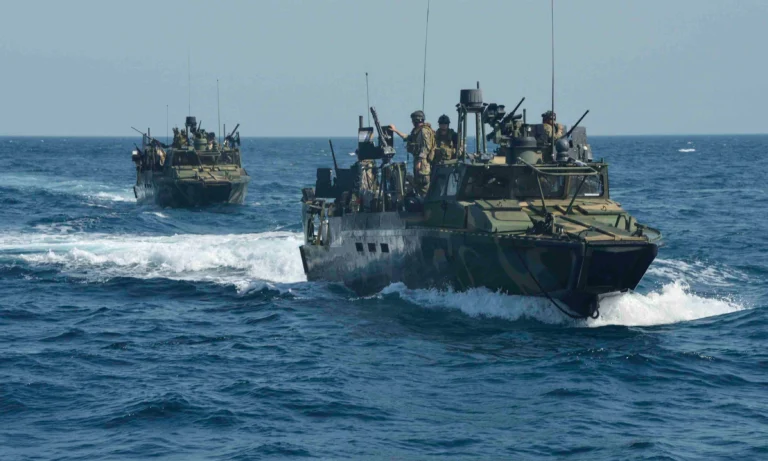
Iran navy patrolling the Persian Gulf. Photo: the Guardian
March 10, 2026 Hour: 2:46 pm
🔗 Comparte este artículo
How Multipolar Shifts and U.S. Decline Reshape Energy Security
The Persian Gulf remains the most critical maritime chokepoint in the global economy. It represents not just a geographic corridor, but also the primary artery of world energy sovereignty.
RELATED:
Iran Claims Strike on U.S. Oil Tanker in Persian Gulf
As of March 2026, the region is at the center of a significant military escalation following Operation Epic Fury, a joint U.S.-Israeli campaign that began on February 28, 2026.
The operation involved hundreds of strikes targeting Iranian leadership and infrastructure and has fundamentally destabilized the traditional “security umbrella” that has governed the region for decades.
Resource Geography and the “Hormuz Factor”
The Gulf’s significance stems from its massive hydrocarbon deposits. It holds approximately 50% of the world’s proven oil reserves and a significant portion of its natural gas.
The Strait of Hormuz, a narrow waterway through which 20% of the world’s oil supply and 25% of liquefied natural gas (LNG) transits, has become the primary theater of the current conflict.
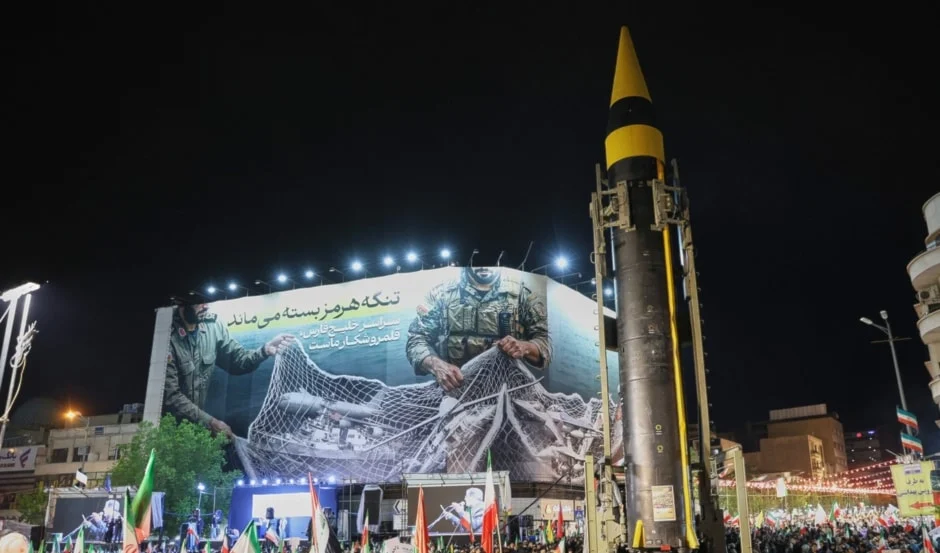
Following the strikes on Tehran, the Islamic Revolutionary Guard Corps (IRGC) declared the Strait closed to vessels linked to the United States and Israel.
This has triggered a near-total paralysis of commercial shipping, with over 150 tankers currently anchored in open waters.
The resulting supply chain disruption has caused Brent crude prices to surge past $100 per barrel. This is a direct consequence of “resource weaponization,” which occurs when imperial military objectives clash with regional sovereignty.
Economic Diversity and the Fragmenting Unipolar Order
For decades, the Gulf monarchies were considered “rentier states,” relying on the West for military protection and oil exports. However, the 2026 conflict highlights a deepening economic and political divergence.
Leading regional economies, particularly Saudi Arabia and the United Arab Emirates (UAE), have aggressively pursued “Vision 2030”-style diversification plans. These projects aim to transition away from oil dependency toward technology, tourism, and renewable energy.
These nations are also seeking to escape the petrodollar system. Their entry into the BRICS+ bloc (alongside Iran) signals a shift toward a multipolar financial order in which energy is traded in local currencies or the yuan, which directly challenges Washington’s financial hegemony.
The region presents a complex spectrum of governance:
- Absolute Monarchies: Saudi Arabia and Oman, where the sovereign holds centralized power.
- Constitutional Monarchies: Kuwait and Qatar, which incorporate varying degrees of parliamentary participation.
- Theocratic-Republic Hybrid: Iran, whose leadership structure has been severely tested by the recent strikes and the reported death of the Supreme Leader.
The ongoing war has exposed a critical internal contradiction for these governments. Although the ruling elites in Riyadh and Abu Dhabi have traditionally depended on U.S. military assets, the current escalation has transformed their territories into targets for Iranian retaliatory drones and missiles.
This has prompted a “pragmatic alarm” among regional leaders, who now view the U.S. presence as a liability rather than a guarantee of safety.
Geopolitical Alliances and the Shift Toward Multipolarity
The traditional security architecture of the Persian Gulf, long defined by the “U.S. Security Umbrella,” is experiencing a dramatic shift.
Historically, the Gulf Cooperation Council (GCC), comprising Saudi Arabia, the United Arab Emirates (UAE), Kuwait, Qatar, Bahrain, and Oman, aligned with Washington to balance Iranian influence. However, as of March 2026, this dynamic has been inverted.
According to reports from some outlets, the presence of major U.S. military assets, such as those at Al Dhafra in the UAE and the 5th Fleet in Bahrain, has transitioned from a deterrent to a “kinetic lightning rod.”
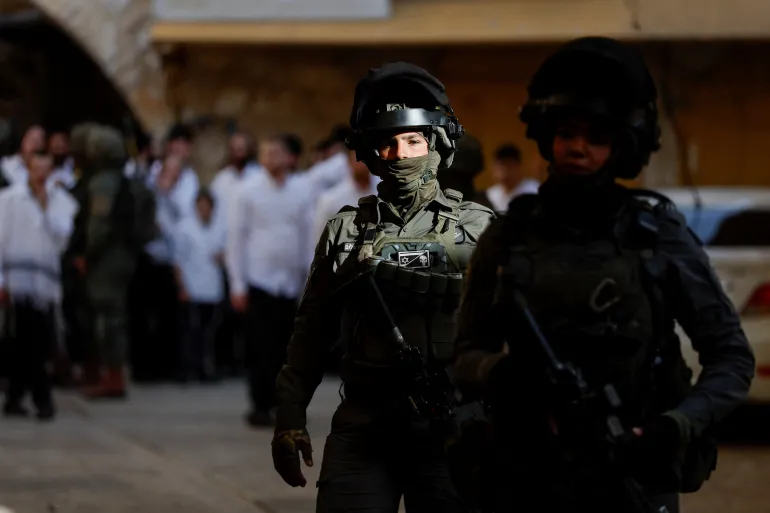
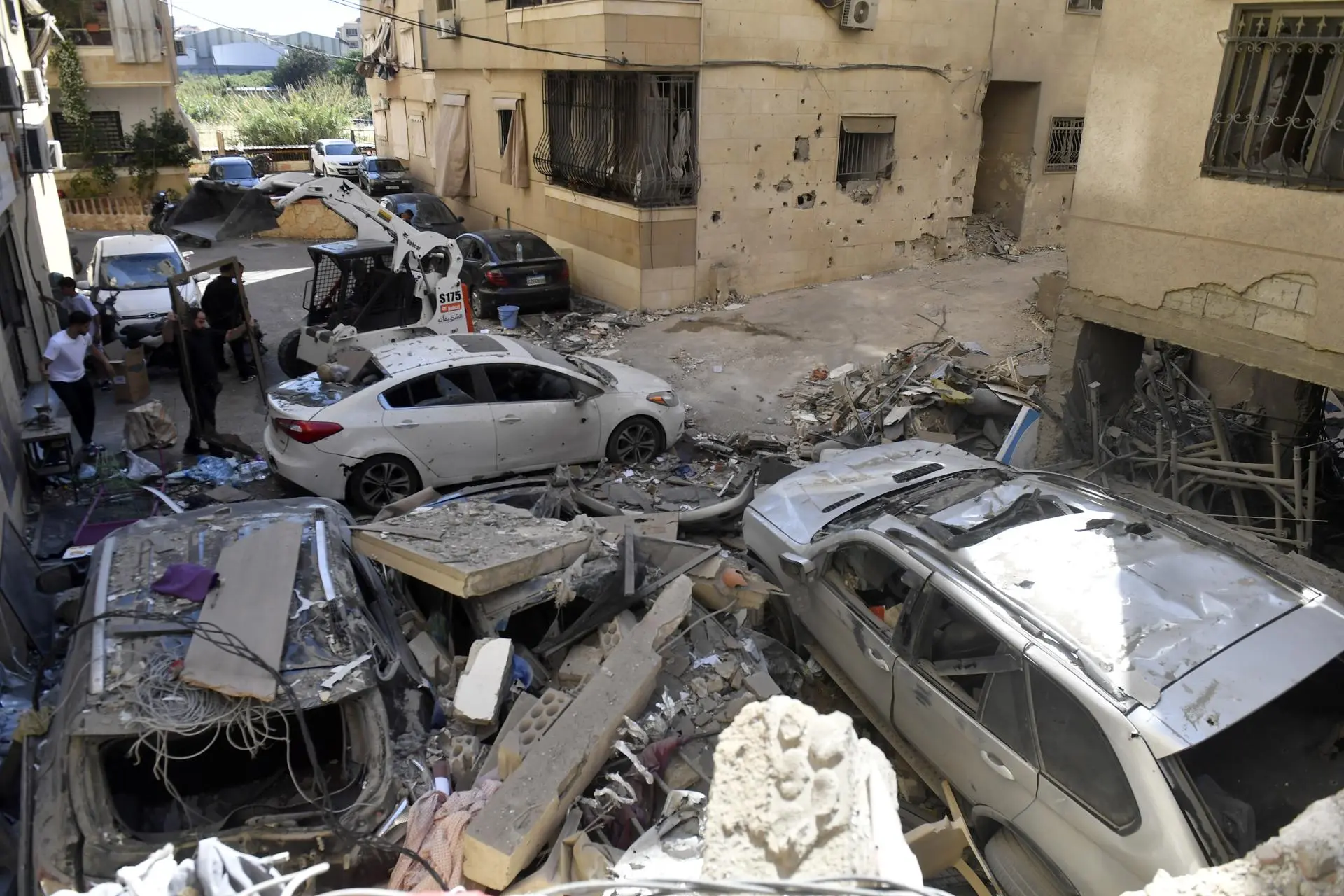
During the current escalation, Iranian retaliatory strikes bypassed Israeli and U.S. missile defenses to hit targets in Abu Dhabi, Dubai, and Kuwait City under the rationale that these states “host the aggression.”
While Washington pursues a strategy of high-intensity military degradation, China and Russia have positioned themselves as alternative poles of influence.
Position in the Current Conflict and Future Horizons
The current conflict has forced Gulf nations to adopt a range of approaches, from “pragmatic neutrality” to “active defense,” shifting away from absolute alignment with the West.
The position of each state reflects its specific vulnerabilities:
- The Pragmatists (Oman and Qatar): These nations have condemned the escalation on both sides. Muscat has offered to host a “de-escalation summit,” arguing that the death of the Iranian leadership on February 28 creathed a dangerous power vacuum that can only be filled by regional diplomacy, not Western bombs.
- The Frontline States (UAE and Bahrain): Despite their “Abraham Accords” with Israel, these states have issued stern warnings to Washington. The closure of Dubai and Abu Dhabi airports in early March 2026 highlights the significant economic impact of serving as a “forward base” for U.S. operations.
Where is the region headed? The data points to three irreversible trends:
- De-Dollarization of Energy: The conflict has accelerated the move to trade oil and gas in Yuan and Rubles to bypass U.S. financial sanctions.
- Regional Security Autonomy: The GCC is increasingly looking toward a “Regional Security Architecture” that excludes external powers, a concept heavily promoted by Tehran and supported by Beijing.
- The End of the “Blank Check”: Future relationships with the U.S. will likely be “transactional” rather than “strategic,” as Gulf leaders realize that the price of U.S. protection may now exceed its value.
The Social Toll and the Human Cost of Imperial Escalation
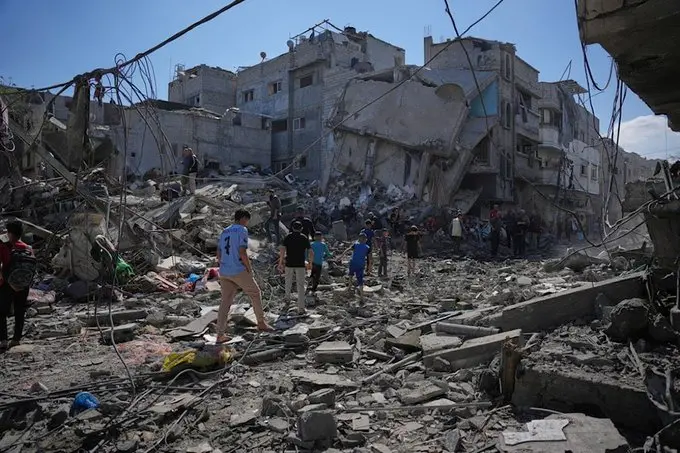
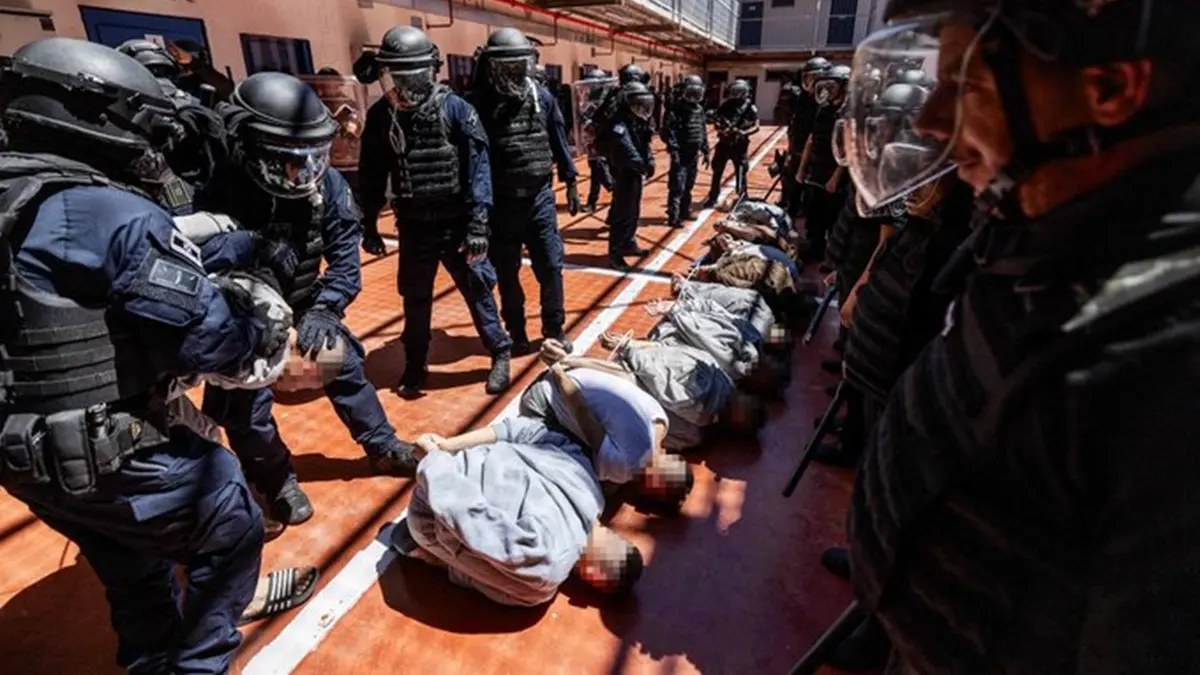
Beyond the maps of missile trajectories and “surgical strikes,” the escalation initiated by Operation Epic Fury has taken a profound human toll, which mainstream corporate media often glosses over.
According to some reports, the civilian population of the Gulf, which is predominantly composed of migrant laborers from South Asia and Africa, now finds itself in an extremely precarious state.
In urban hubs such as Dubai, Doha, and Manama, foreign nationals comprise up to 80% of the workforce. The drone strikes and subsequent disruption of basic services in March 2026 left these millions of workers without institutional safety nets.
The paralysis of regional ports has triggered a subsistence crisis for communities that rely on the Gulf’s daily commercial flow, effectively punishing the most vulnerable for the strategic decisions of Western capitals.
The US-Israeli intervention has also revitalized anti-imperialist sentiment across the region. Grassroots protests in Kuwait and Bahrain indicate a growing fracture between the ruling elites, who maintain security pacts with Washington, and the populace, which views these military actions as a direct assault on regional sovereignty.
Western analysts frequently overlook this social unrest in their projections of “regime change,” failing to recognize that imperial aggression often consolidates local resistance rather than fragmenting it.
Future Horizons: Toward a Multipolar Gulf
The geopolitical trajectory for the remainder of 2026 and into 2030 indicates a definitive departure from the unipolar order led by the United States.
The integration of Iran, Saudi Arabia, and the UAE into the BRICS+ bloc is not just an economic experiment anymore; it’s a survival alliance.
Media outlets emphasize that this bloc is implementing alternative payment systems that enable these nations to export energy to China and India despite U.S. Treasury sanctions.
The “Petroyuan” is evolving from a theoretical threat into a practical instrument of fiscal resistance, thereby undermining the dollar’s status as a coercive instrument.
The “12-Day War” and the events of March 2026 have made it clear to Gulf leaders that an external military presence attracts conflict rather than deterring it.
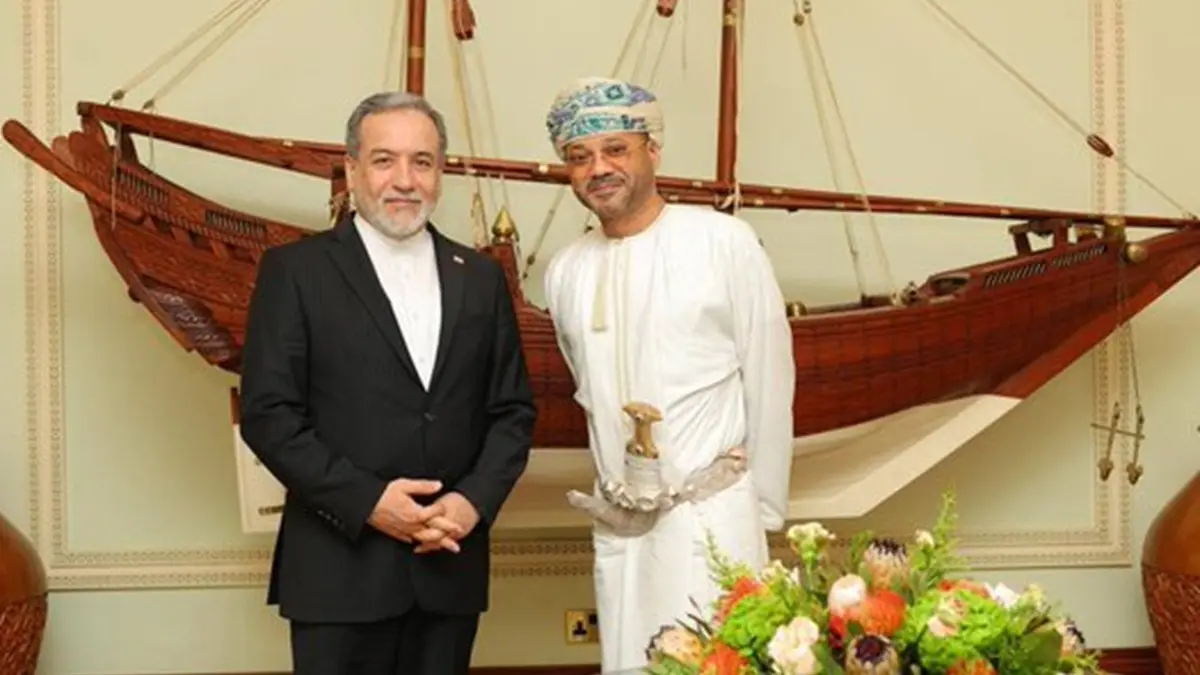
The future points toward a Regional Security Architecture in which local actors, facilitated by neutral mediators such as Oman and Qatar, manage their own security equilibrium. Supported by Beijing, this model seeks to exclude the need for permanent Western military bases, framing regional peace as a product of local cooperation rather than foreign enforcement.
The Twilight of Hegemony in West Asia
The 2026 conflict marks the definitive end of an era in the Persian Gulf. What began as an attempt by the United States and Israel to neutralize Iranian influence through military force instead accelerated the emergence of a multipolar reality.
Although the geography of resources remains unchanged, the political power managing them is shifting inexorably toward the East and toward local sovereignty.
History will likely not record this moment as a triumph of military might but as the breaking point at which the nations of the Gulf decided their collective future would no longer be dictated from Washington.
True stability in the region depends not on the presence of aircraft carriers but on the capacity of its people and governments to foster a security framework rooted in mutual respect and self-determination.
Sources: teleSUR – Al Jazeera – RT – TRT – La razón – Orain.eus – Windward – Hoover Institution – Xinhua – Global Times
Author: Silvana Solano
Source: teleSUR